Exposure · 3 min read
Exposure Value: the method, worked through
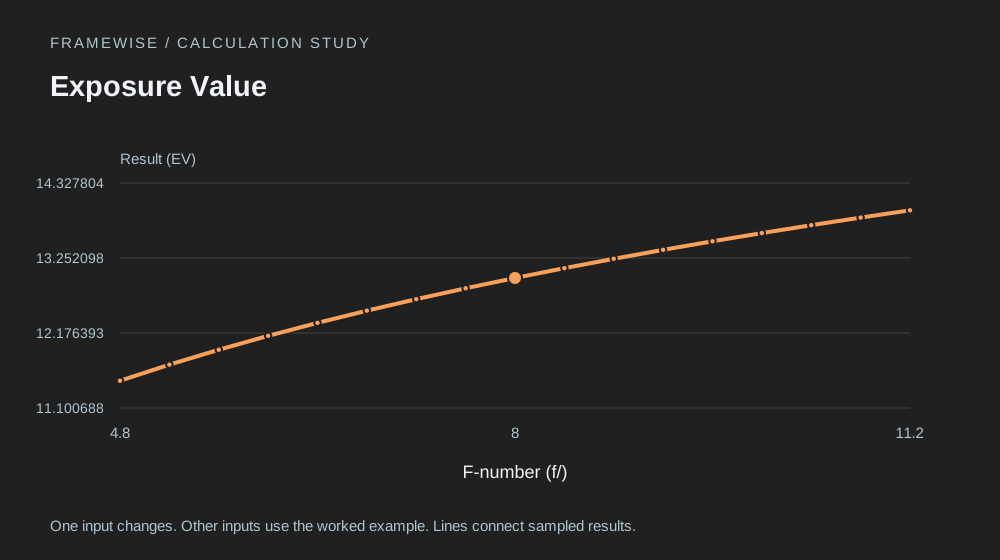
Exposure value combines aperture and shutter time on a logarithmic scale.
Work through the formula, compare a few scenarios and know where the model stops.
Exposure value combines aperture and shutter time on a logarithmic scale.
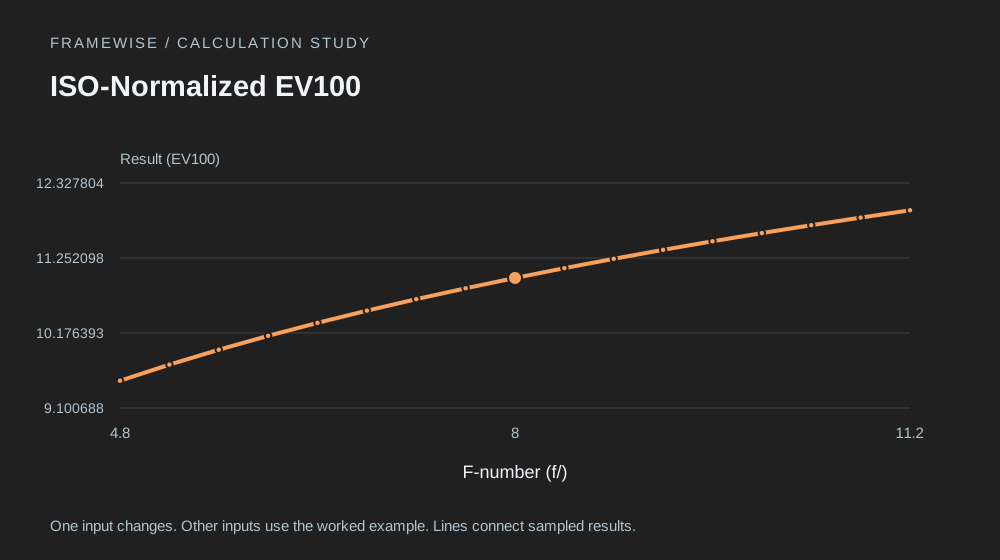
Normalizing exposure settings to ISO one hundred makes equivalent settings easier to compare.
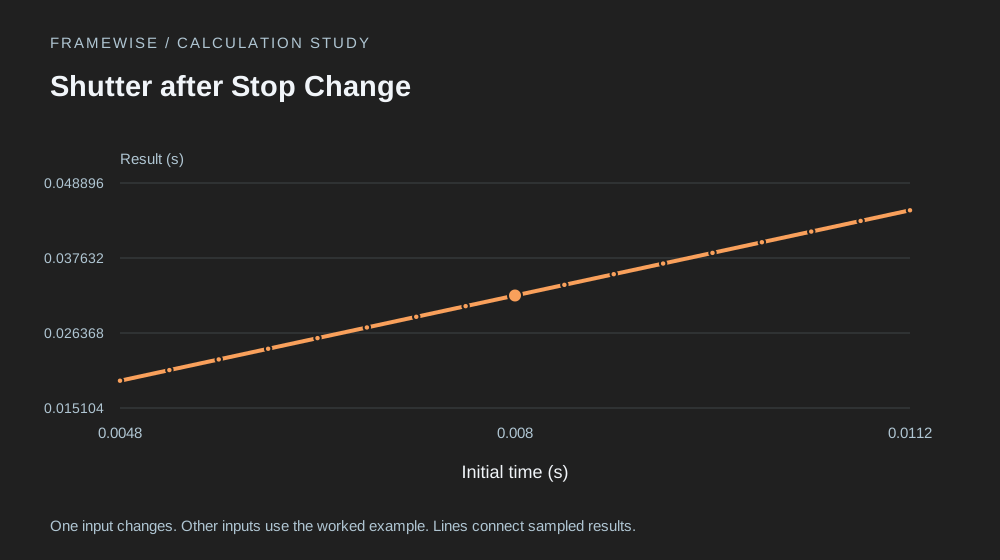
Each additional stop doubles exposure time at a fixed aperture and scene.
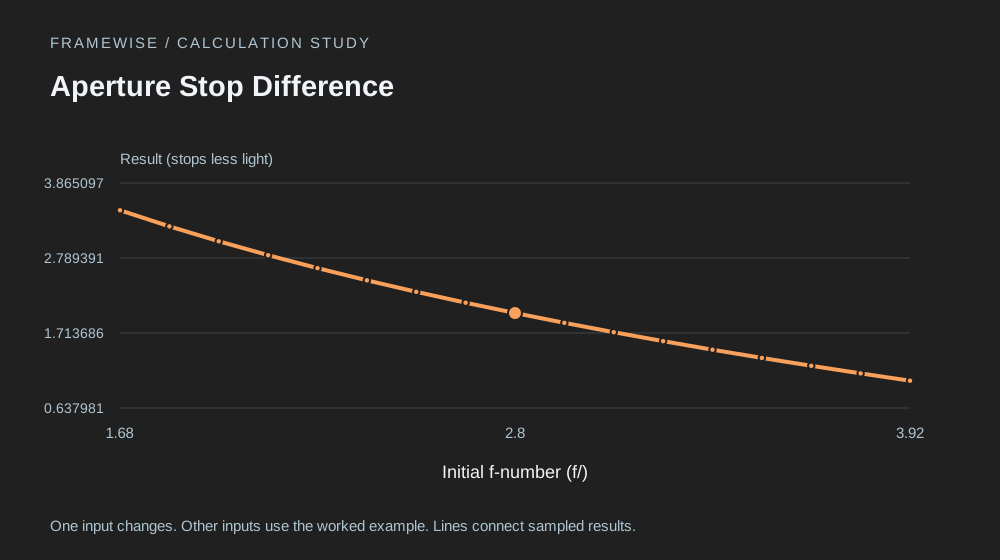
F-number controls aperture area through a squared relationship, which gives two logarithmic factors.
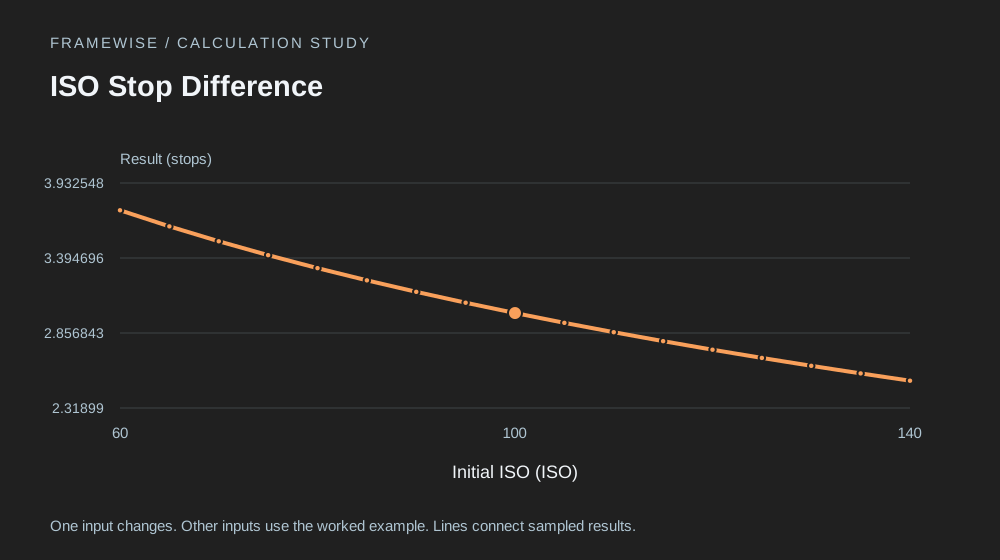
ISO ratios can be expressed as exposure-setting stop differences.
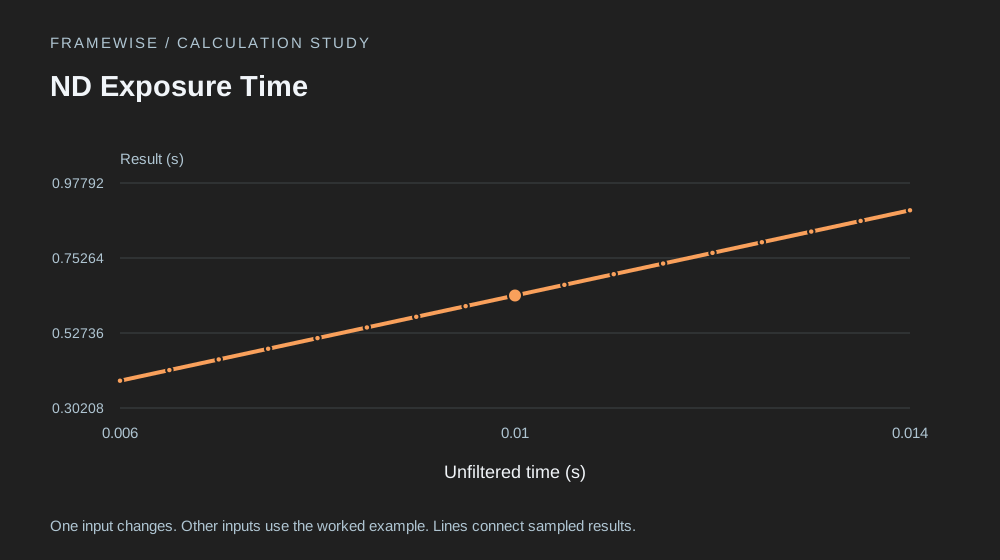
A neutral-density filter extends the required exposure time by a power-of-two factor.
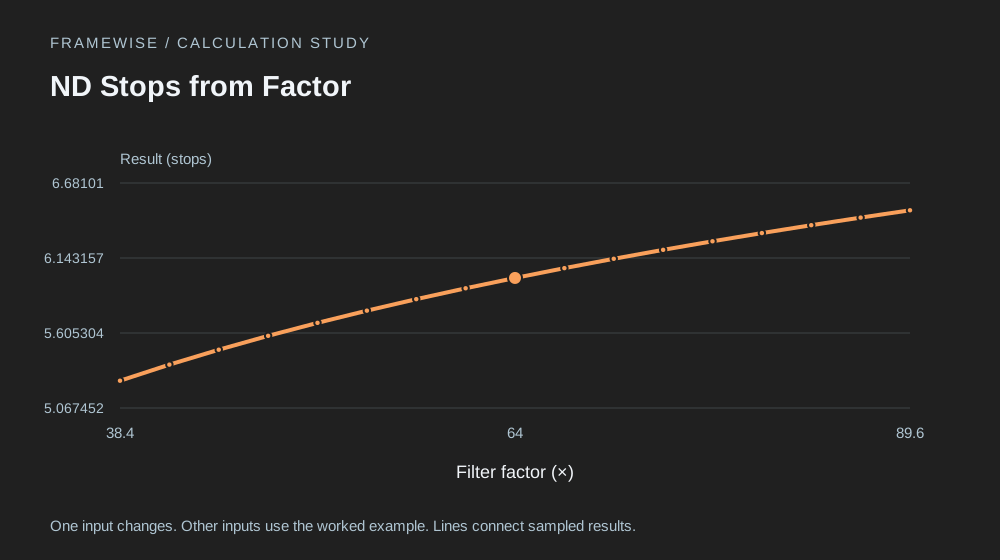
A filter factor describes how much longer exposure must be; its logarithm gives stops.
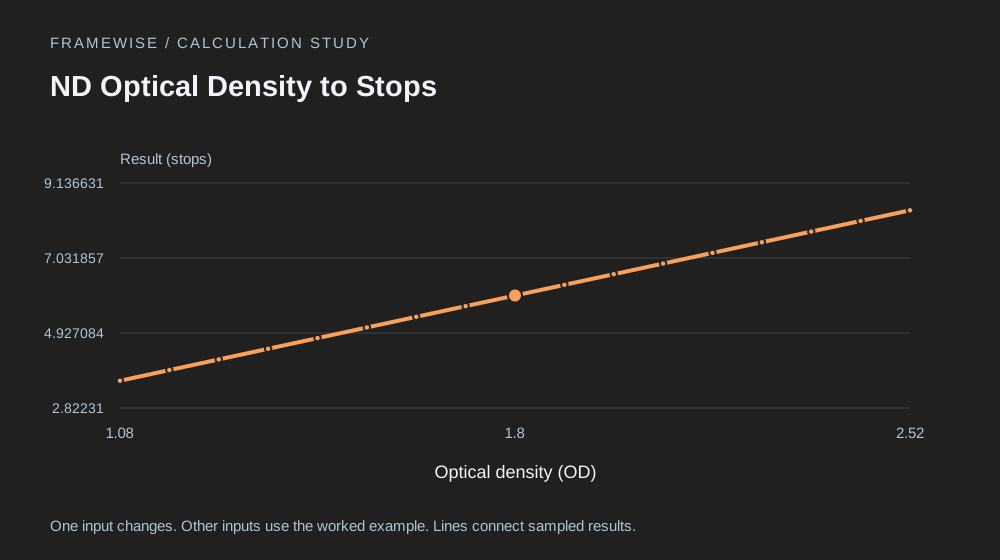
Optical density is based on powers of ten, while exposure stops are based on powers of two.
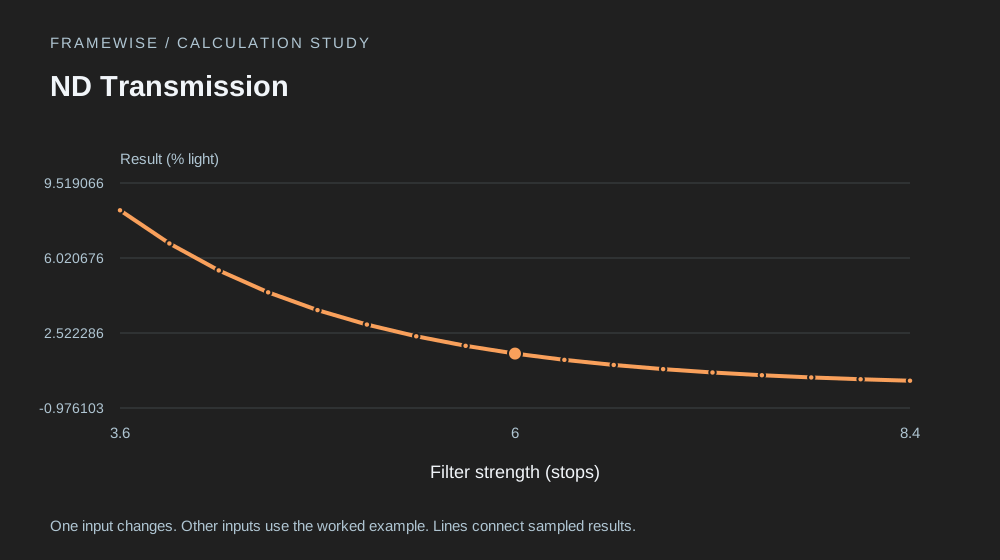
Transmission is the fraction of incident light remaining after an ideal filter.
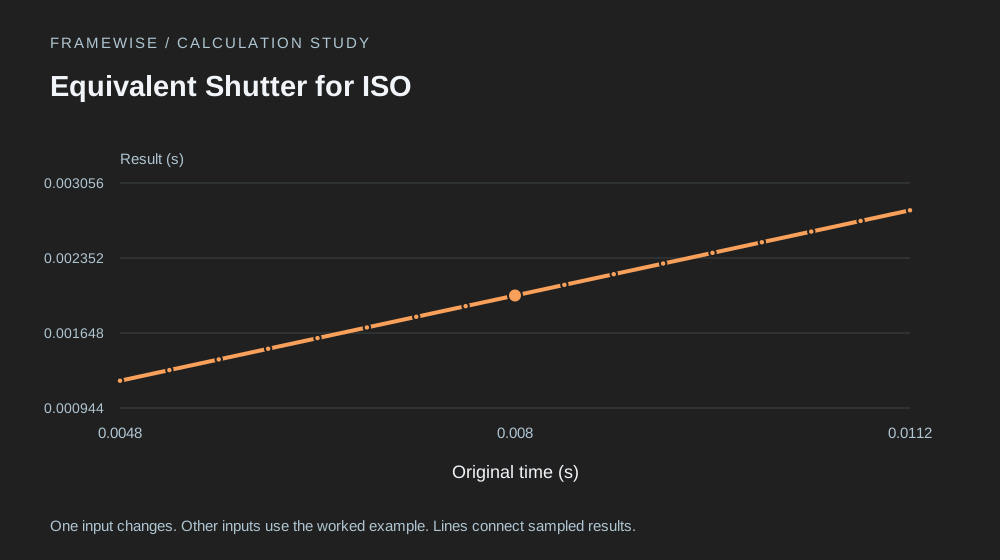
For equivalent rendered brightness at a fixed aperture, shutter time scales inversely with ISO.
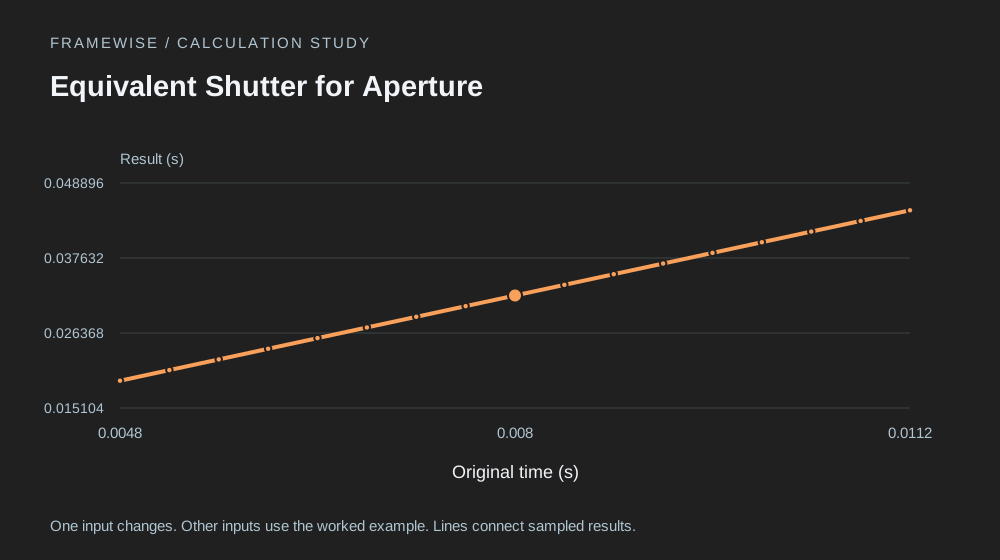
Changing aperture requires a squared shutter-time correction to preserve optical exposure.
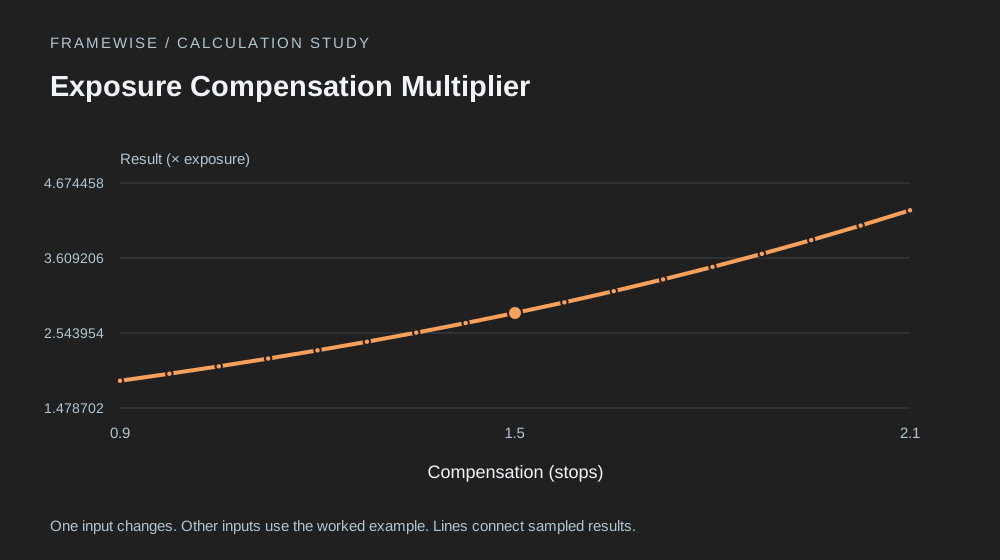
A stop-based correction becomes a multiplicative exposure factor.
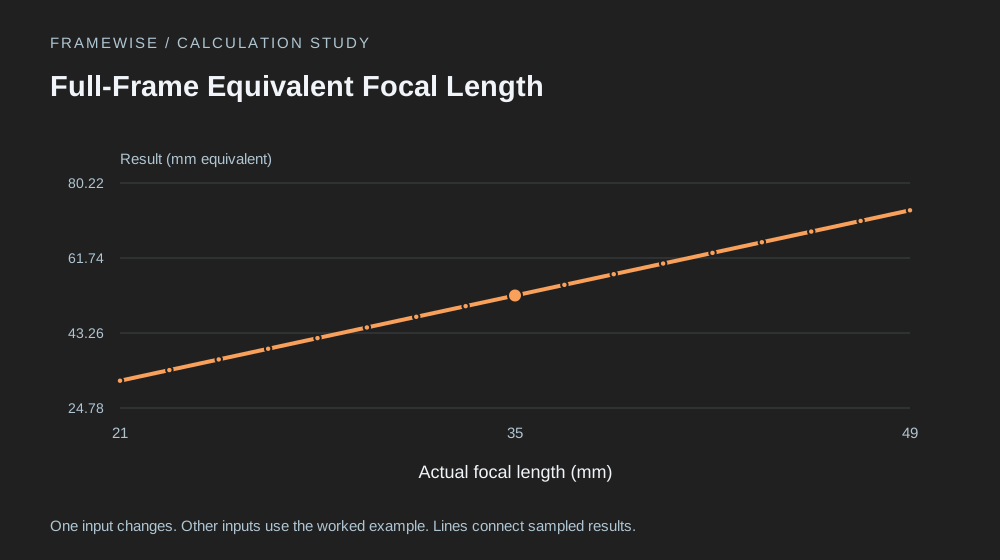
Crop factor expresses a field-of-view comparison relative to a chosen full-frame reference.
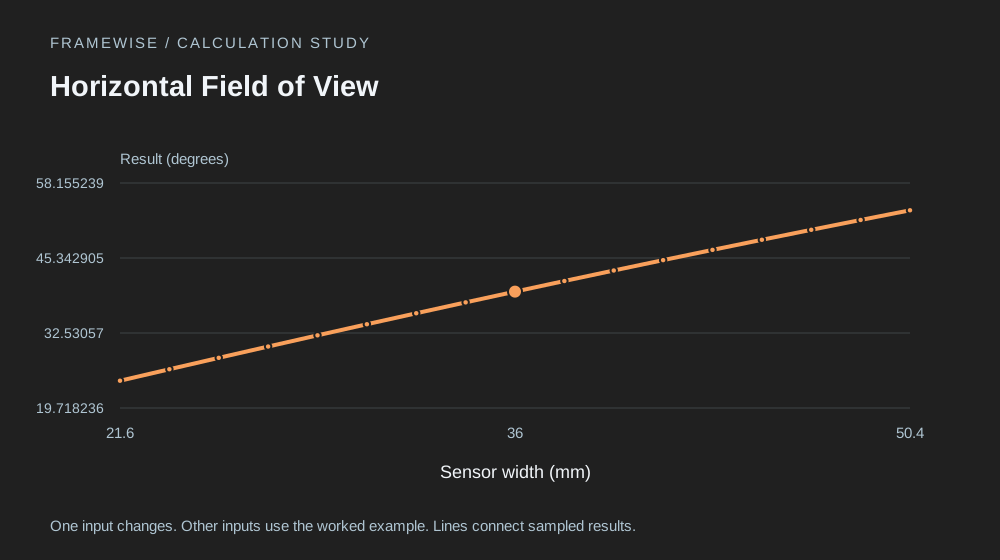
A rectilinear lens's horizontal angle of view follows sensor width and focal length.
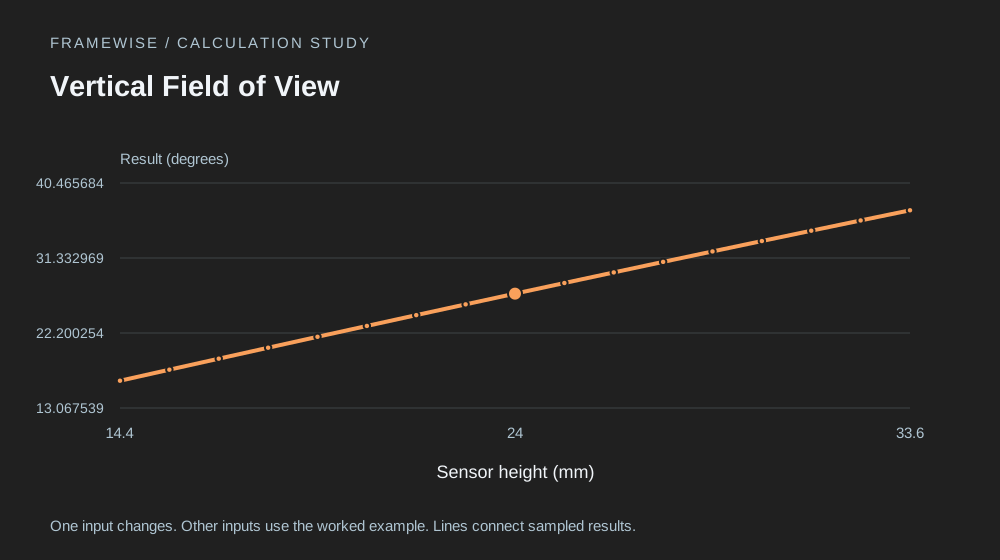
Vertical angle of view uses the sensor's shorter dimension for a landscape-oriented frame.
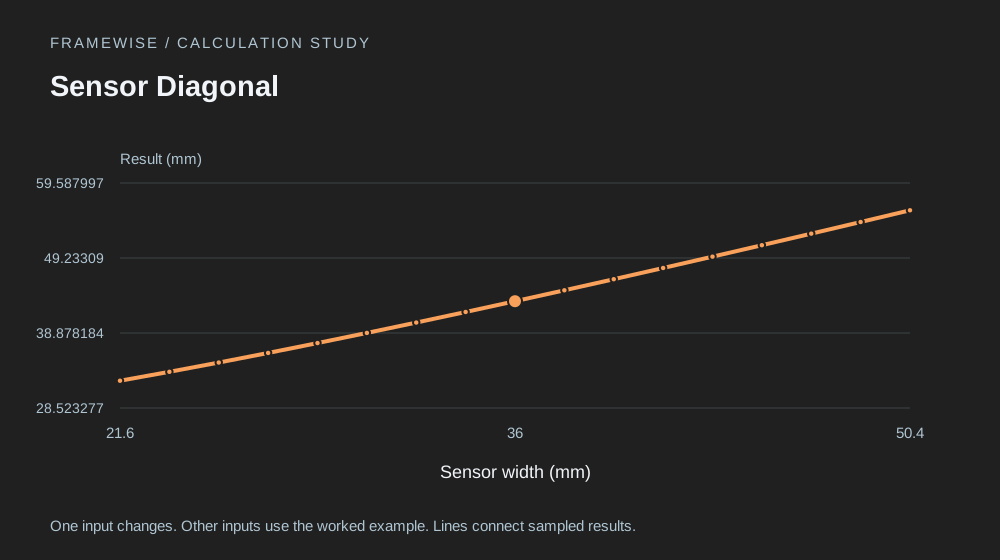
The sensor diagonal supports format comparisons and diagonal field-of-view calculations.
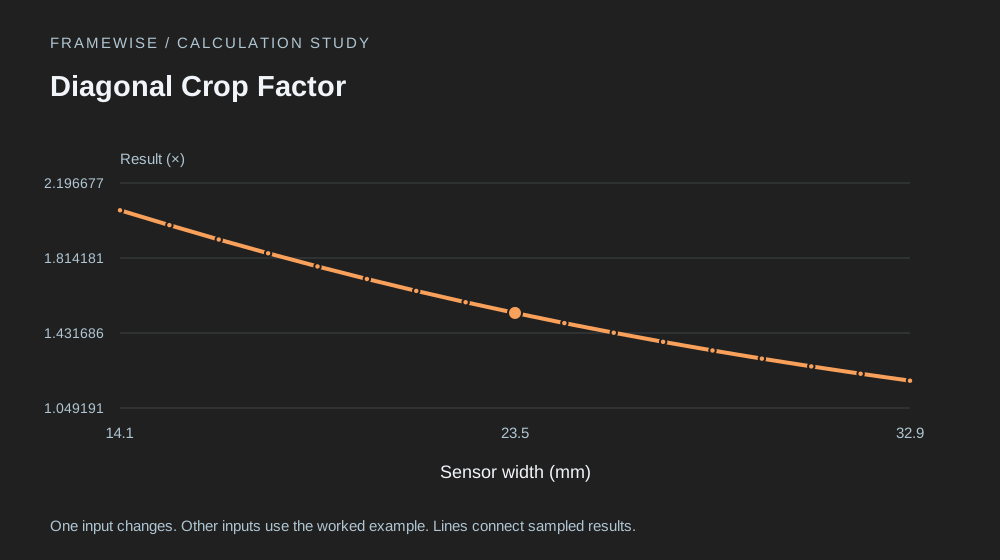
A diagonal crop factor compares the sensor diagonal with a 36 by 24 millimetre reference.
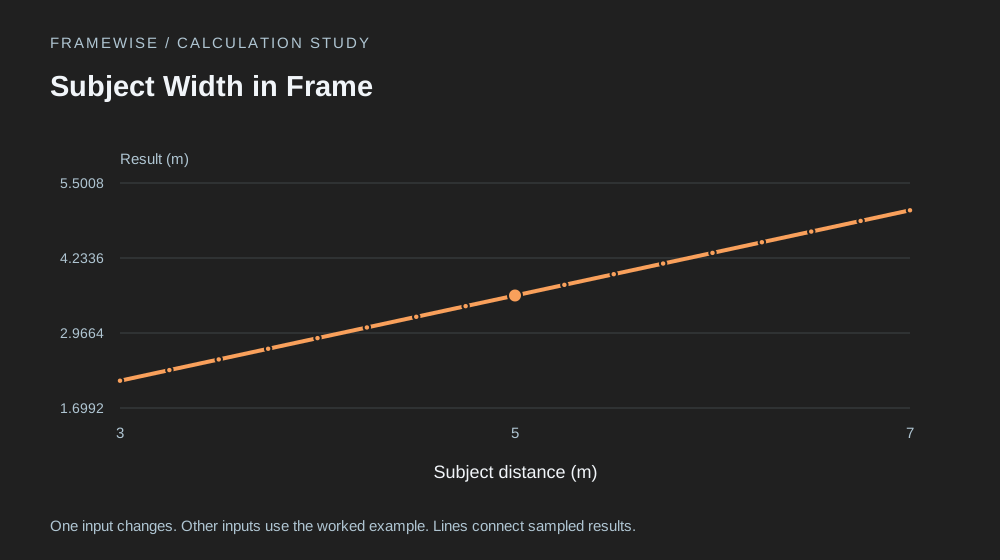
A distant-subject approximation estimates the horizontal scene width captured at a given distance.
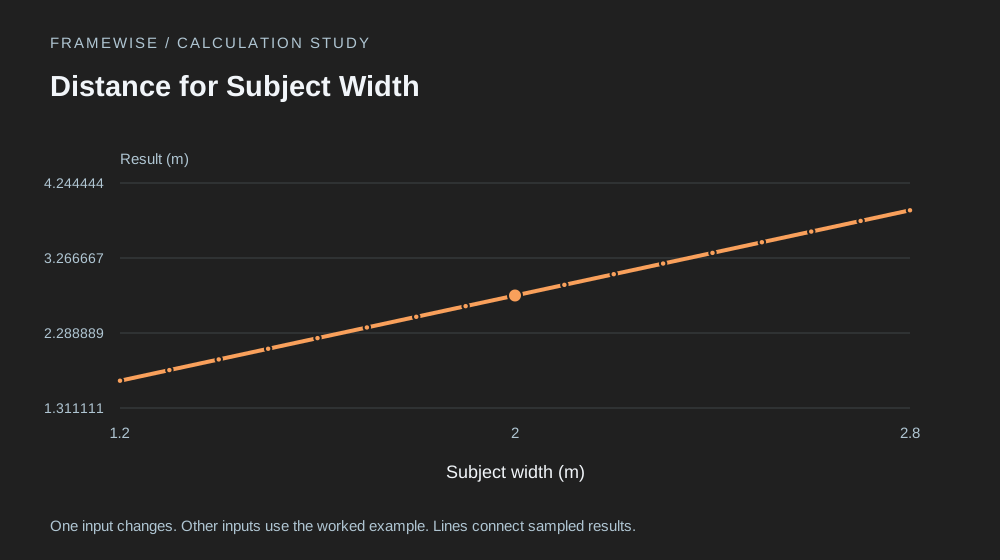
Rearranging the angle-of-view geometry gives a starting camera distance for a desired framing width.
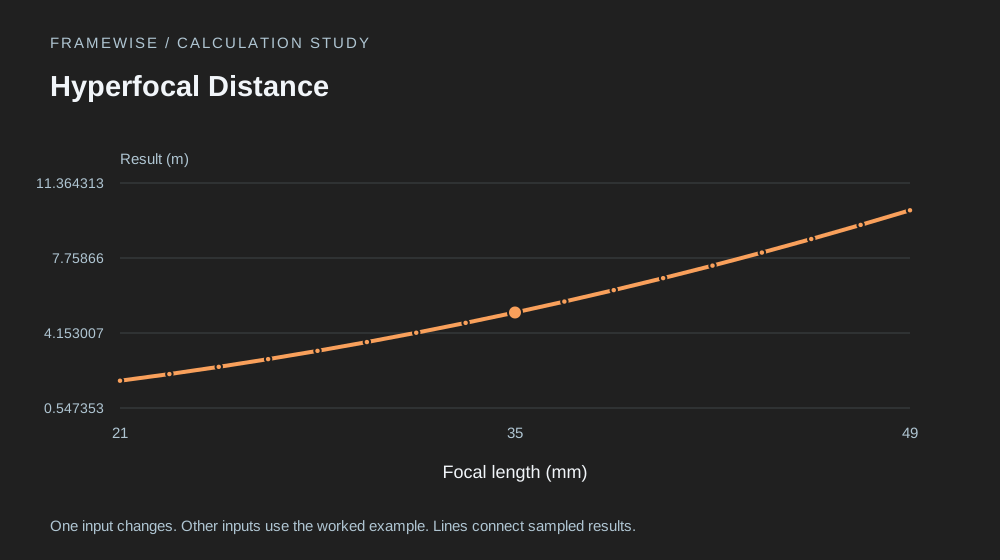
Hyperfocal distance comes from a geometric sharpness criterion set by the circle of confusion.
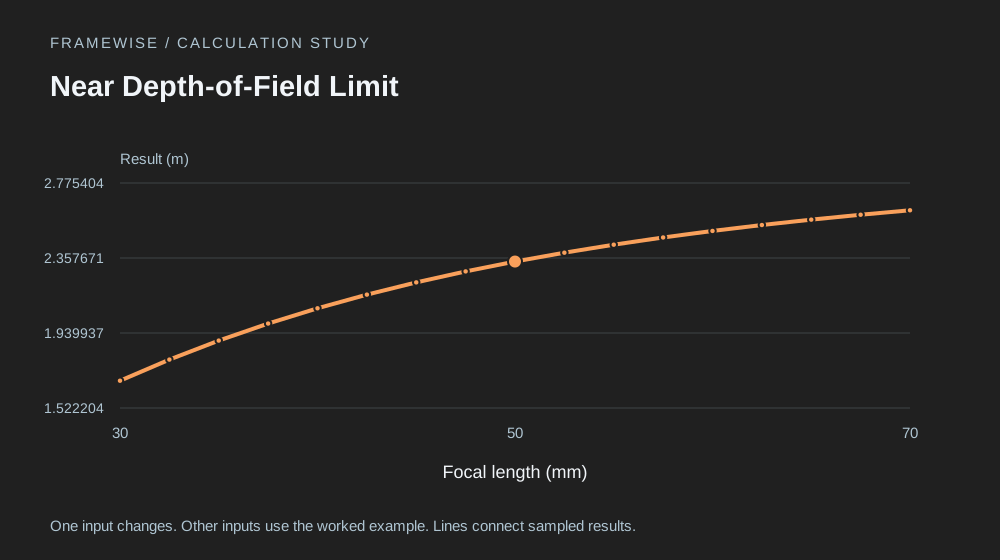
The near depth-of-field boundary estimates where defocus reaches a chosen blur-circle tolerance.
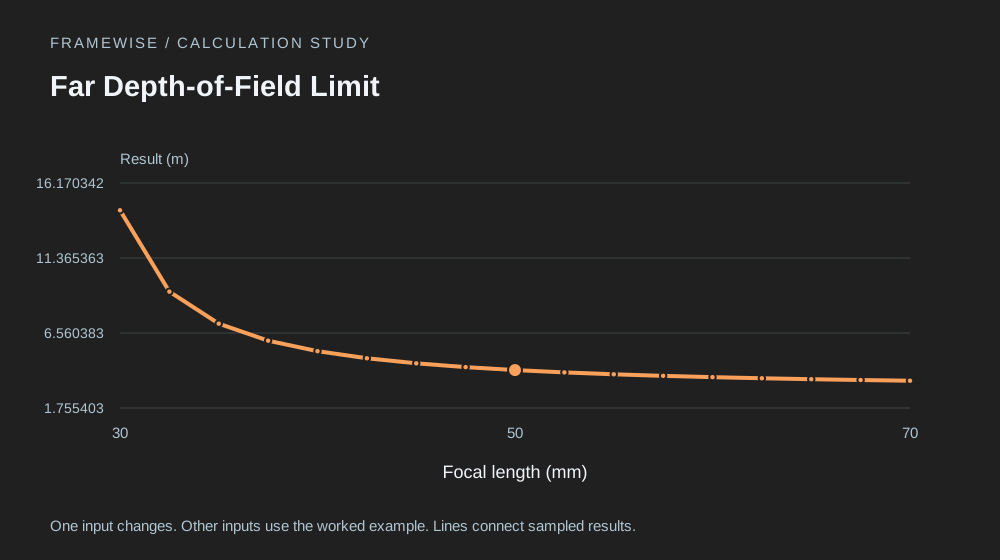
The far depth-of-field boundary follows the same geometric blur criterion as the near boundary.
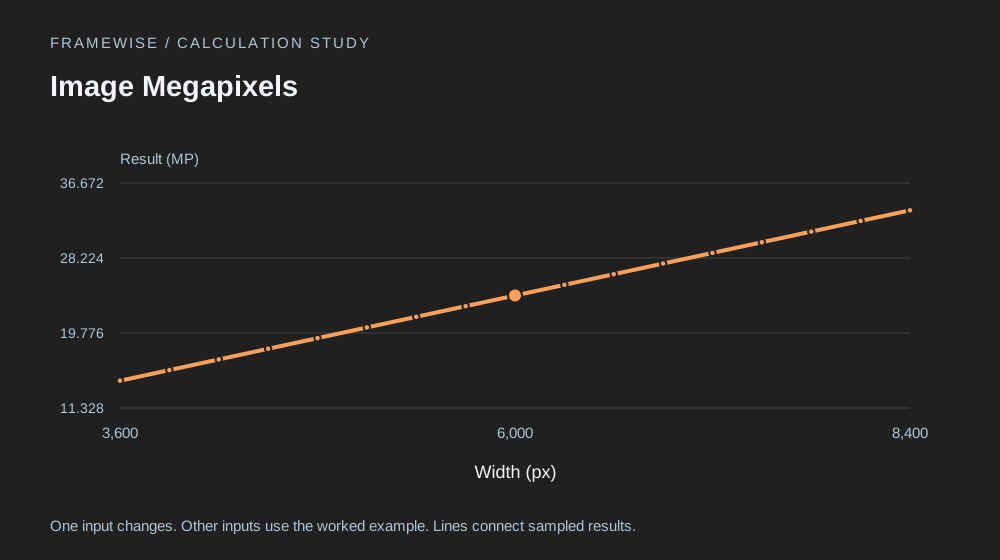
Megapixels count the total samples in a rectangular image grid.
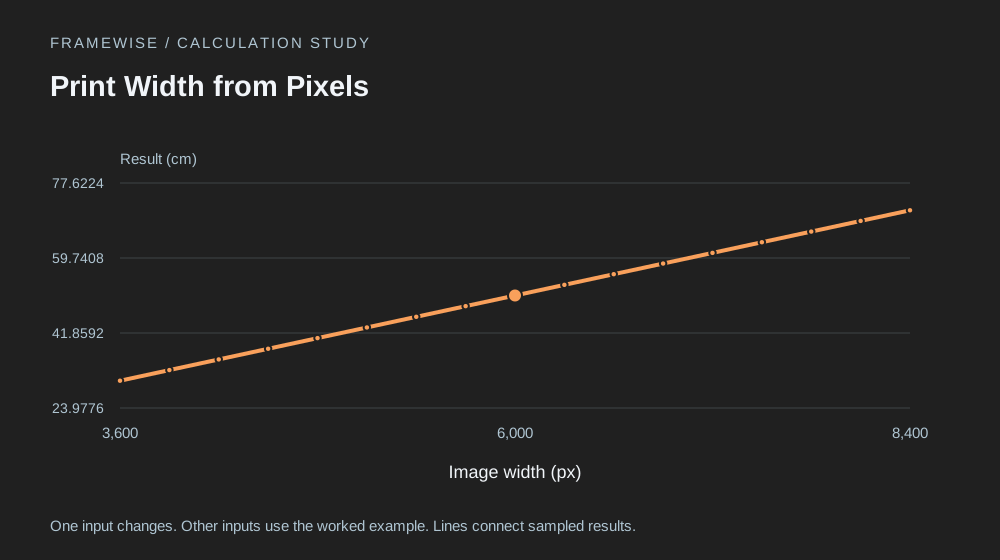
Pixel dimensions and chosen print density together determine output size.
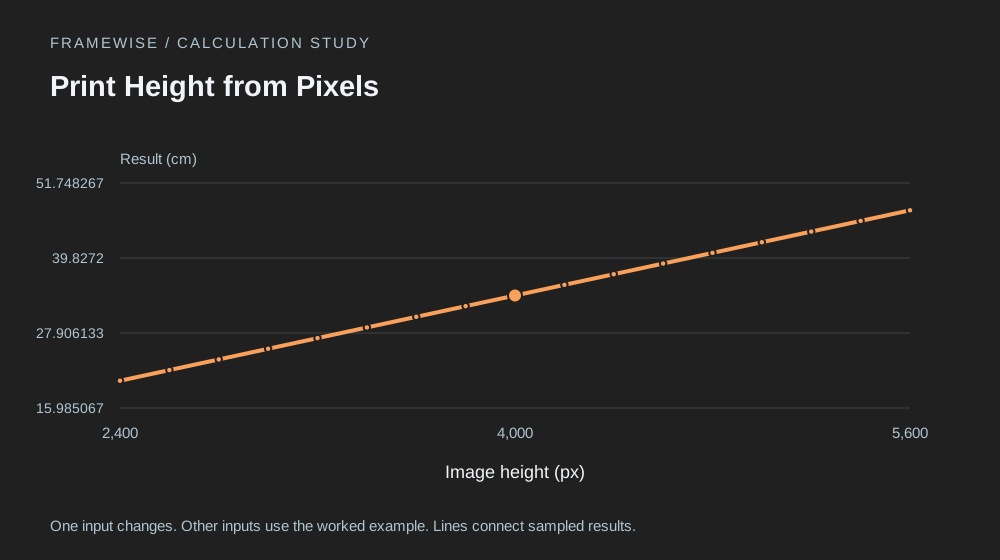
An image's vertical pixel count sets print height at a specified pixels-per-inch density.
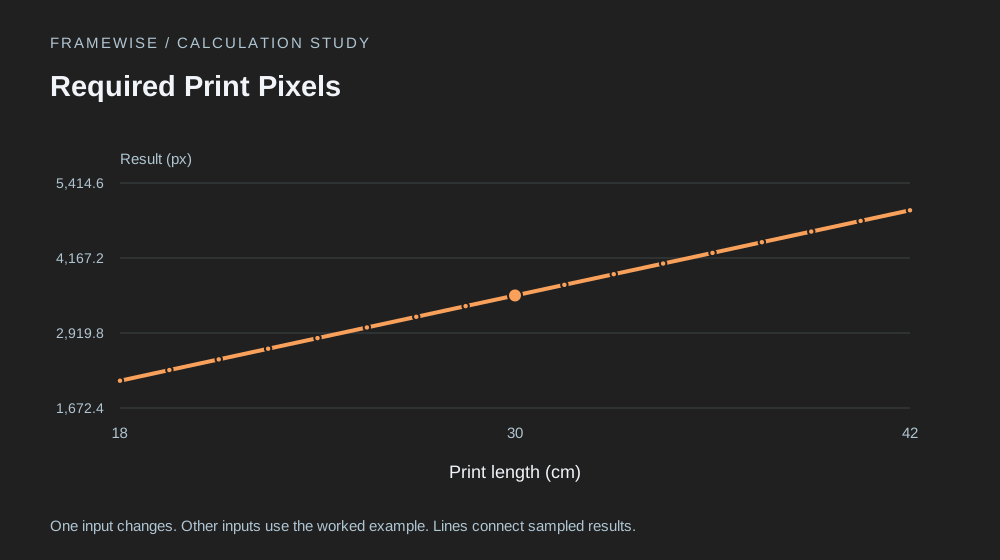
A target physical dimension converts into a minimum whole-pixel requirement.
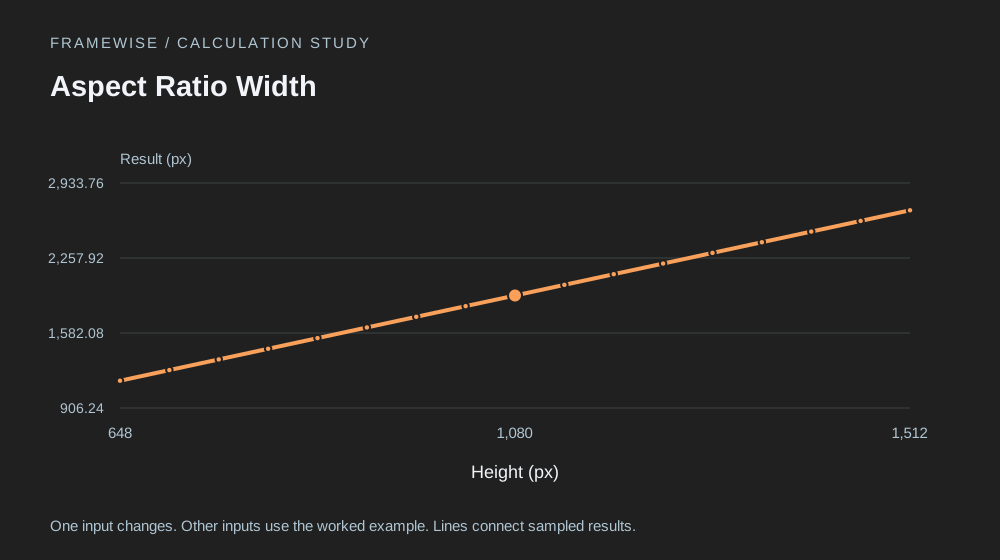
Aspect ratio determines width from a known height.
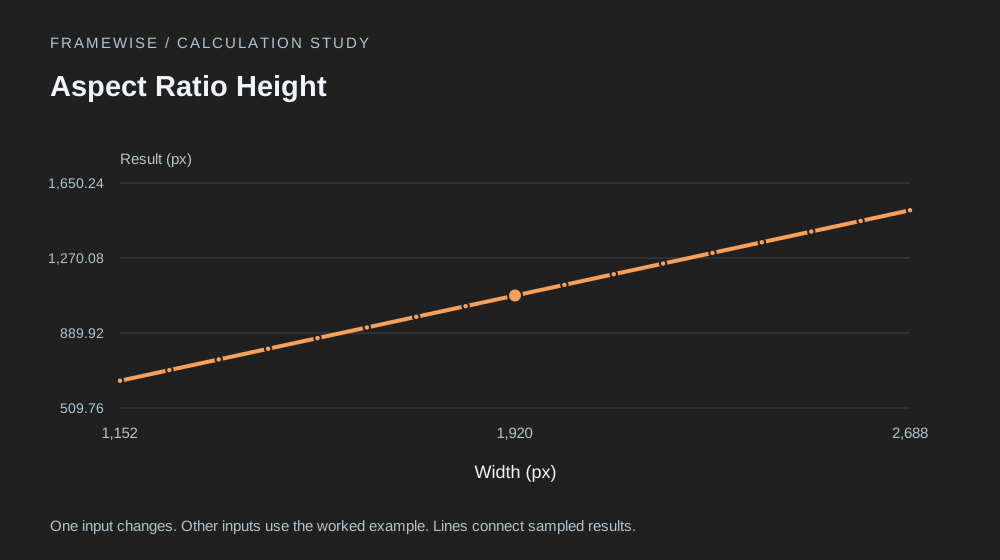
A target frame proportion determines height from width.
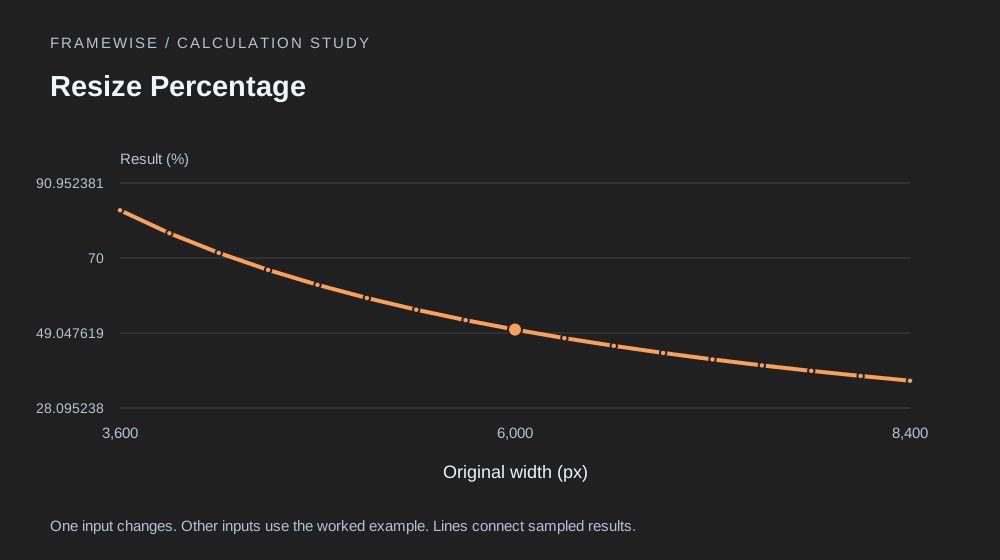
A resize percentage describes linear scaling, which can be applied equally to both dimensions.
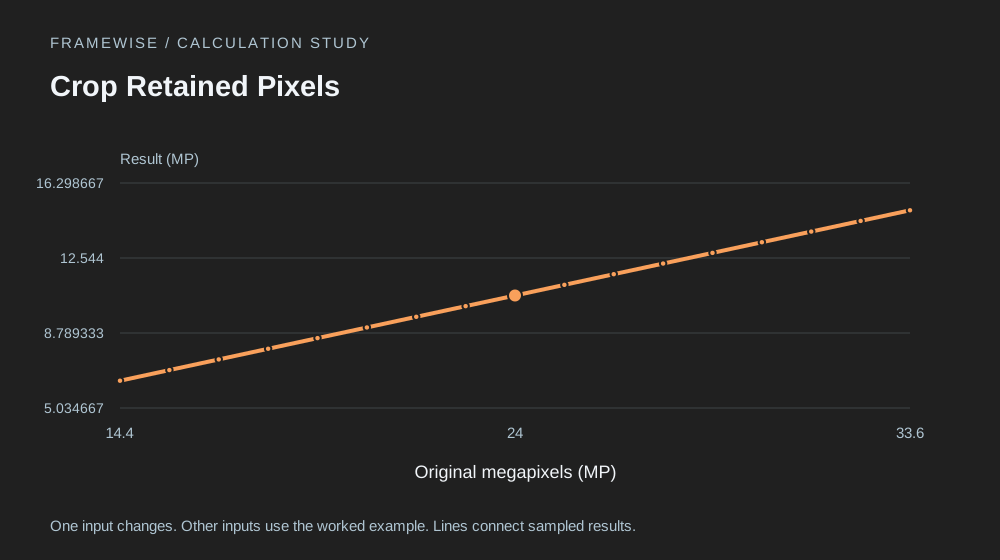
A centred crop with the same aspect ratio reduces both dimensions by the crop factor.
No matching articles. Try a shorter search or choose all categories.